
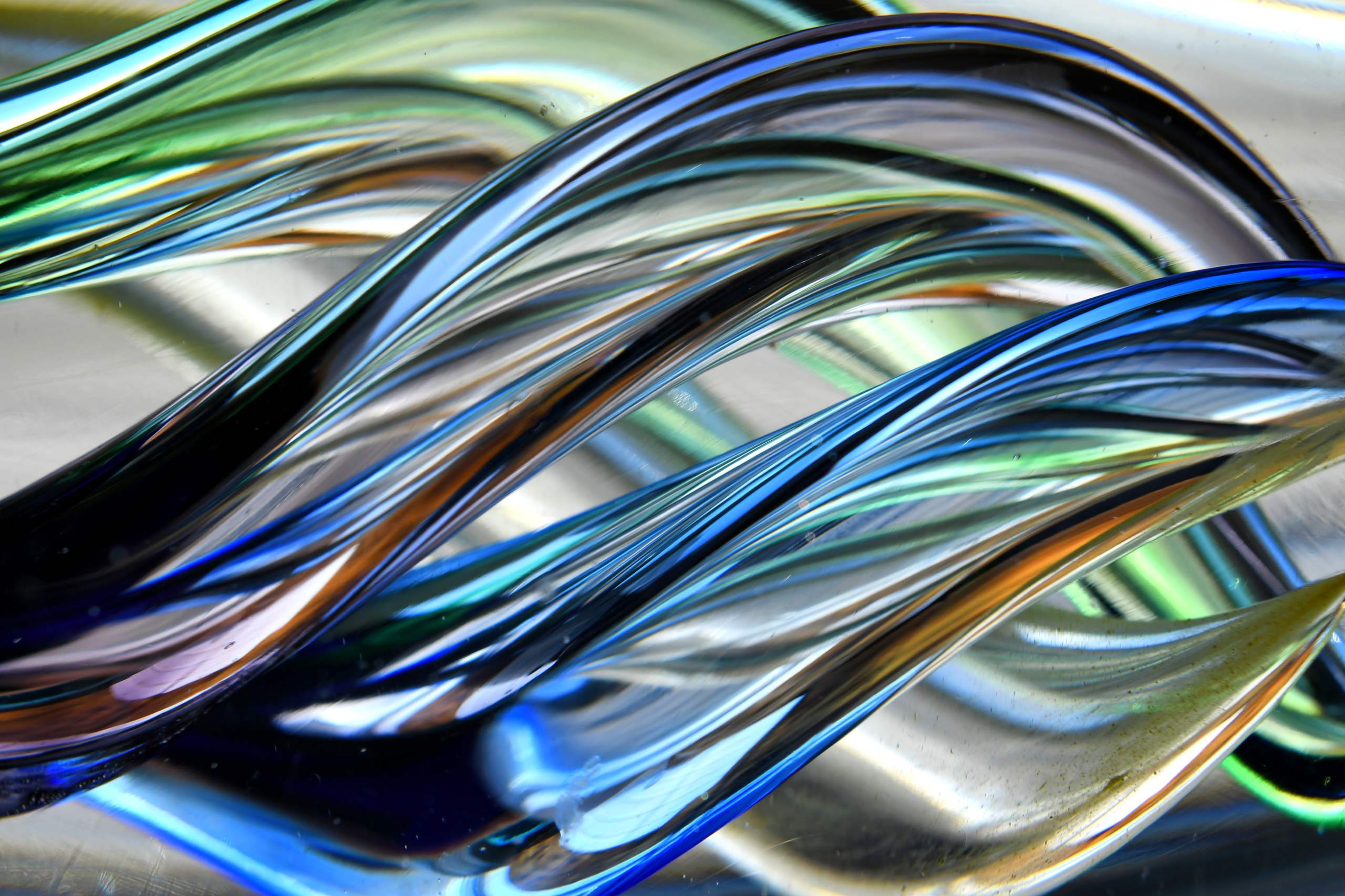
Stained glass stands as one of the oldest recognized forms of artistic expression involving glass. For centuries, artisans have used colored pieces of glass to make images, designs, and compositions, turning regular light into something special. While we typically think of stained glass in relation to older structures and large windows, the technique is still evolving today and continues to influence contemporary creators globally.
Designing the piece comes first. Artists sketch or plan out the piece, deciding on shapes and colors that will come together after light passes through them. Unlike with paint or sketching, a stained glass maker must consider not only the image but also how the translucency, luminosity and light around the piece will affect the final result.
Each piece must be cut accurately to fit the design. This requires patience, care, and precision, as errors in the cutting stage will complicate fitting during the joinery. Artists work with a variety of glass types, which add texture and a range of visual effects to add visual interest or movement to the finished work.
After cutting and prepping the individual segments, they are put back together via methods used for hundreds of years. Joinery is where the piece becomes a composition that functions together, while remaining stable to hang and aesthetically pleasing. The blending of creativity and craftsmanship in stained glass makes it a respected art form.
Light is a critical component of stained glass work. Unlike many art forms that rely on reflected light, stained glass relies on light passing through the material itself. The finished piece will appear very different depending on the time of day, the weather, and your position in relation to the glass. Its interaction with light changes over time and from place to place, which makes it unique among most media.
Contemporary stained glass makers are pushing the boundaries of the art form even further. Some work with modern imagery, shapes, color, and patterns that were very uncommon in older stained glass work. Additionally, new equipment and supplies have made the craft available to a new group of young makers.
As with stained glass makers in the past, today’s practitioners still must contend with the challenges of creating quality work. It is vital to have a thorough plan, precise cutting skills, and a complete understanding of both the design and materials. You need to know the weight and support requirements as well as the color relationships before you make any cuts.
Stained glass is an excellent medium for beginners because you are both learning a skill and exercising your creative talents with something very visual. The practice promotes focus and patience as well as an understanding of how light and color affect how we see things. There are always lessons to learn from the process and each piece is a step forward towards deeper comprehension.
Part of the lasting appeal of stained glass may be how it makes light itself part of the work. It is not that it is about presenting color, it is about the color changing throughout the day. The results feel at once new and familiar.
The use of stained glass continues to bring together craft, design, and creativity today, from old churches to new art spaces. Its long record of making beautiful objects shows both its inherent stability as a material and an ongoing fascination with how people can turn light into art.